1. Suggested tips are marketing, not math
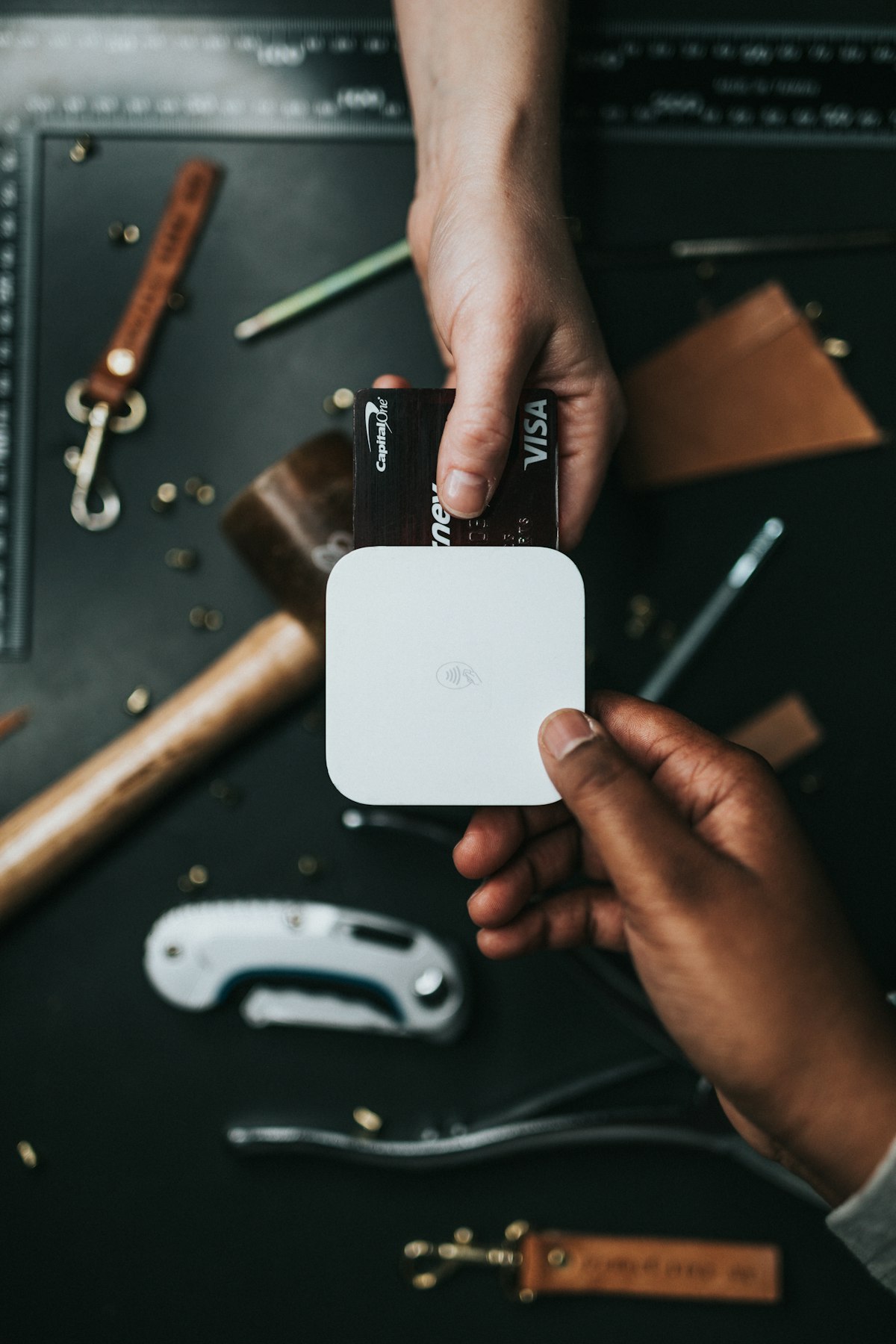
The three buttons on the payment terminal were not chosen for you — they were chosen for the merchant. Payment processors let restaurants set default suggestions, and receipt surveys show defaults drifting upward: 15/18/20% five years ago, commonly 18/20/25% now, with 30% appearing on more screens every year.
Because most customers tap one of the printed options, the printed numbers effectively set the local norm. That makes it worth knowing what a fair number actually looks like before you look at the screen.
2. Trick #1: calculating on the after-tax total
This is the most common inflation trick, and it hides in plain sight. Tips are customarily calculated on the pre-tax amount, but many terminals compute suggestions on the total after tax.
- Food: $82.57 · Tax (9%): $7.43 · Total: $90.00
- Terminal suggests “20%”: $18.00 — computed on $90.00, the after-tax total
- A true 20% tip on the pre-tax food: $16.51
- Effective rate you were nudged toward: 21.8% — an invisible ~1.8-point markup
- In high-tax cities (Chicago 10.25%, Seattle 10.35%), the same “20%” suggestion is effectively 22%+
3. Trick #2: double-dipping on auto-gratuity
Many restaurants add an automatic 18–20% gratuity for parties of six or more — but the receipt still prints suggested-tip lines underneath. If you add a tip on top, you are paying twice for the same service.
The fix takes two seconds: scan the bill for “service charge” or “gratuity” before touching the suggestion screen. If it is there, the printed suggestion is not a suggestion — it is a second charge.
4. Trick #3: percentage prompts on fixed-fee services
A percentage makes sense for a variable bill; it makes no sense where the service has a customary flat fee. Valet pickup is $2–5 regardless of whether your dinner was $40 or $400 — a percentage screen asking 20% of your restaurant total for the valet is prompt design doing the talking.
The same logic applies to counter pickup: if you ordered, paid, and picked up yourself, a dollar or two is generous — 20% of a $60 order is not expected.
5. How to verify any suggestion in 5 seconds
One habit covers all three tricks: find the pre-tax subtotal, multiply by the rate you actually intended, and compare against the printed suggestion. If they differ by more than a few percent — or if a service charge already exists — you have caught something worth fixing.
You can do this mentally for round bills, or run the numbers through a receipt checker that flags the tax-basis error, auto-gratuity overlap, and hidden fees automatically.